
Posted on

Reflections on the BIVDA Regulatory Affairs Seminar 2026

The BIVDA Regulatory Affairs Seminar 2026 lived up to its reputation as the UK’s leading diagnostics regulatory event. Bringing together regulators, policymakers, Approved Bodies, global industry experts and diagnostics companies from across the UK and Europe, it provided a timely forum at a moment of major regulatory transition for the IVD sector. Held at the Grand Hotel in Birmingham on 10–11 February, the two‑day programme was designed for regulatory professionals seeking clarity, direction and meaningful dialogue on both domestic and international regulatory developments.

A Seminar Built Around “Think Locally, Act Globally”

I was incredibly proud to help steer and chair this year’s event as a Chair of the BIVDA Regulatory Affairs Working Party (RAWP). The overarching theme: “Think Locally, Act Globally”, captured the dual structure of the programme:

  • Day 1: International regulatory change
  • Day 2: UK‑specific developments, most notably the evolving UK MDR

This framing proved highly effective, enabling attendees to contextualise UK reforms within broader global trends while exploring how international regulatory cooperation can reduce burden and accelerate innovation.

A Shifting Global Regulatory Landscape

A major focus of discussion was the growing potential of the UK regulatory environment—not as an isolated system, but as part of a wider network of like‑minded regulatory nations. The idea of a future “Cool Kids Club”; a strategic alignment between the UK, Australia, Canada and Singapore, sparked substantial interest. Such alliances could reshape global harmonisation pathways and shift some emphasis away from today’s dominant EU–US axis. In an era of finite regulatory capacity and increasing demands for high‑quality technical documentation and clinical evidence, harmonisation is not merely desirable, it is essential! The ability to develop globally relevant technical documentation is rapidly becoming the only sustainable way for IVD companies to remain compliant across multiple jurisdictions.

AI, Innovation and the Evolving Role of Regulatory Professionals Unsurprisingly, AI featured prominently throughout the seminar. While AI will undoubtedly support regulatory functions; from evidence generation to quality documentation, the consensus was clear: judgement, creativity, and human relationship‑building remain irreplaceable. As the industry moves toward IVDR 2.0, these professional competencies are only growing in importance. Regulatory affairs is no longer about process alone; it is about strategic thinking, communication, and the ability to navigate uncertainty.

IVDR 2.0: Progress, but is it enough?

The IVDR has recently undergone a period of reflection, leading to several proposed fixes. Although some improvements are welcome, I do not believe the changes go far enough. Importantly, many of the updates will not take effect until at least 2027, making it critical that manufacturers:

  • Continue engaging proactively with their Notified Bodies
  • Review and strengthen their current technical documentation
  • Maintain a clear, actionable compliance roadmap

Waiting for regulatory reform is not a strategy. Acting now will ease future transitions when the revised requirements eventually come into force.

A Strategic and Timely Event for the Entire Diagnostics Community

This year’s BIVDA Regulatory Affairs Seminar arrived at a pivotal moment for the diagnostics sector. With major changes accelerating across the UK MDR, international reliance frameworks, IVDR implementation and AI governance, the event provided a forum for expert interpretation and debate, practical, workshop‑driven learning with direct access to regulators and thought leaders.

The result of which is a BIVDA space designed for the community to shape the regulatory environment together in a positive, relaxed (sometimes fun) and engaging way.  It was, a critical event, offering clarity, direction and collaboration at a time when diagnostics regulation is evolving more rapidly than ever.


Posted on

IVDR Reform: Key Implications for In Vitro Diagnostic Medical Devices

Executive Summary

The proposed amendments to Regulation (EU) 2017/746 (IVDR) – rules on medical and in vitro diagnostic devices – introduce significant changes that mirror and complement the MDR (Medical Device Regulation) reforms while addressing specific challenges unique to the in vitro diagnostic (IVD) sector. These changes aim to reduce regulatory burden, enhance innovation, and ensure continued availability of critical diagnostic tests while maintaining high safety and performance standards.

IVDeology’s Managing Director, Stuart Angell provides a summary of key proposals included within this long-awaited proposed change, ranked as his personal top five:

The IVDR Challenge

The IVDR (In Vitro Diagnostic Regulation) became applicable on May 26, 2022, and has faced implementation challenges similar to the MDR, including:

  • Limited notified body capacity (only 19 notified bodies designated under IVDR)
  • High compliance costs, particularly for smaller laboratories and manufacturers
  • Risk of IVD diagnostic test shortages
  • Complex requirements for devices serving small patient populations
  • Challenges with performance evaluation requirements

Due to the challenges explored above, the European Commission completed a targeted review. The outcome is a series of proposals to reduce the burden of regulatory complexity under IVDR, published on the 16th December 2025.

It is highly recommended that manufacturers read the full proposal – and the commission provided a very useful tabulated summary (well done!) to make the proposed changes more relatable and understandable.

Top 5 Major Changes to the IVDR

  1. Simplified Classification and Conformity Assessment

For Class A Sterile devices, which currently are subject to conformity assessment by a notified body. Under the proposals, this requirement will now be removed. While there is a need to align to harmonised ISO standards including ISO13485, the removal of the conformity assessment pathway represents a significant time and cost saving.

  • Reduced Assessment Burden for Class B devices

In the spirit of a risk-based approach for device classification. The sampling of technical documentation by the Notified Body as part of the conformity assessment for Class B devices will be reduced to sampling one device file per manufacturer’s portfolio. While this will reduce cost and time of conformity assessment for manufacturers with multiple Class B devices, it does not really support small and medium manufacturers who are intending to bring their first device to the market.

(Personally, I would have preferred a reduced amount of technical documentation for a Class B device as well as reduced sampling.)

  • PRRC requirements for SMEs reduced

For Micro and Small Manufacturers, the need to have a Person Responsible for Regulatory Requirements (PRRC) continuously and permanently available has been removed. This will allow greater flexibility to appoint an external PRRC to support regulatory compliance. For SMEs, this will reduce the burden and cost of using an external regulatory consultant to support the PRRC role.

  • Flexibility of In-House Exemption

Under the IVDR, Health Institutions who develop their own in-house test (therefore outside the IVDR) have been limited by the requirement to not have an equivalent CE mark on the market. This condition has now been removed, allowing more freedom for the development of lab-developed tests (LDT). In addition, central laboratories manufacturing and using test exclusively for clinical trials are included in the scope of the in-house device exemption.

  • Extension of Vigilance Reporting

Article 82 of the IVDR states that the reporting of serious incidents must be reported within 15 days. Under the new proposals this have been extended to 30 days for cases where it is not related to public health threats, death or a serious deterioration in health. This gives manufacturers more time to effectively triage, assess and report some lower risk vigilance cases.

Timeline and Transitional Provisions

The proposal was published on the 16th December 2025 with adoption expected Q2 2027. The regulation is expected to come into force shortly after, with a publication in the Official Journal of the EU (OJEU).

Next Steps

The IVDR amendments represent a fundamental shift toward a more proportionate, efficient, and innovation-friendly regulatory framework while maintaining rigorous safety and performance standards. While the proposal offers a number of benefits, the changes will not result in quick fixes of the current IVDR infrastructure and key challenges remain for industry in adopting IVDR. In the meantime, the existing IVDR transition timelines continue to progress.

Recognising that the EU CE-mark represents the gold standard for conformity assessment, and is utilised for international recognition in many key markets (including the UK, where the regulations are also changing in the coming months), it will be interesting to see how the global approach to IVDR regulation will shift.

IVDeology specialises in guiding IVD manufacturers through the complexities of regulatory compliance and quality management systems, including ISO 13485 standard implementation and certification support, IVDR compliance consulting, gap analysis and remediation, and ongoing QMS optimisation. With the right support, regulatory compliance transforms from a burden into a competitive advantage, helping you build a culture of quality, resilience, and continuous improvement that positions your organisation for long-term success.

Whether you’re starting from scratch, preparing for your first IVDR audit, or optimising an existing QMS, our experienced consultants bring deep expertise in both regulatory requirements and the practical realities of implementing sustainable quality systems. Get in touch to discuss your specific requirements and discover how our integrated services can support your IVD success story.

Posted on

Christmas Wishlist Innovation before Regulation

As we push on the end of the year, and the festive spirit ramps up. It is worth asking “what is on your Regulatory Christmas Wish List this year?”.

I had the pleasure of attending some amazing events this year, including the BIVDA Regulatory Affairs Seminar, RAPS Convergence and Euro Convergence, TOPRA Symposium and MDR Conference, and more recently Medica in Germany. From discussions with various stakeholders, including investors, Notified/Approved Bodies, Competent Authorities and Manufacturers, the challenges of global regulatory burden are getting harder and more complex. The majority of IVD manufacturers are struggling, or have struggled with the implementation of EU IVDR, many have diverted attention to the US market instead.

The IVDR was intended to ensure ‘a high level of safety and health whilst supporting innovation…, taking into account small and medium sized businesses.’ The questioning of this principle with the implementation of the IVDR is not new: this has been a topic of conversation ever since the publication of the IVDR in 2017. But it is a challenge that I keep coming back to.

Here are some key challenges of IVDR compliance for SMEs (from my experience this year):

  1. Re-classification – For many manufacturers, the engagement with a Notified Body still causes time delays and resource drain. Most NBs now have capacity, and offer guidance on how to complete conformity assessments, but the process is still challenging, and in many cases with an unknowable timeline or probability of success.
  2. Technical Documentation – Compliance to Annex I, II and II, with a high volume of documentation is needed to demonstrate safety and performance. While many are developing IVDs against the new IVDR framework, many are still struggling the adapt legacy design history and clinical evidence.
  3. Limited Knowledge & High compliance costs – The SME sector is heavily dependent on limited external funding, and many face a continuous cycle of fund raising. This is being exacerbated by the additional cost of compliance, including consultancy fees, additional headcount and audit fees to get through IVDR conformity assessment. For SMEs, project management of IVDR is typically performed by an external (expensive) or internally on top of an existing role focusing on maintaining or growing a business.
  4. Market Delay – For many SMEs, a successful outcome is acquisition. However, many investors will not commit to a business until CE marking is obtained, the challenges above put the SME in a precarious position. Some just run out of runway on the route to conformity.

Taking all this into account, it sometimes feels that the EU have swung too far in ensuring a high level of safety, but what is the point in having a world class regulatory framework if you have no devices to regulate? Additional degrees of pragmatism are needed, I think!

Christmas Wish List

2026 promises to be a big year for European regulation (including UK). I would like to see more focus on how we can support SMEs on the journey to compliance.

  1. Improved structured dialogue – The European commission has recently published the output from the targeted review of the IVDR. I hope we can quickly introduce greater transparency and enable better, more valued dialogue between NBs and Manufacturers. This will help the SMEs gain a better understanding of how they can interpret and conform to the IVDR requirements, especially around clinical evidence and technical documentation.
  2. Real risk-based classification – Currently I see little practical differentiation between a Class B and C in terms of conformity assessment and technical documentation, especially if you only have 1-2 products coming to market. I would like to see a true risk-based approach in the generation (and review) of technical documentation based on class.
  3. Sensible approach to CDx and Orphan products – While these device types form a small part of the overall IVDs on market. They play a big part in the healthcare system. The IVDR should be reviewed to ensure that the compliance pathways are clear and unambiguous.
  4. Early access pathways – For devices with a clear unmet clinical need, a more efficient pathway should be considered to allow SMEs to develop novel devices. An effective adoption process should allow a conveyor belt of safe and effective products through the IVDR process. The EU needs to look no further than the work the FDA and MHRA has done to promote early access pathways.

Christmas is coming, but it does feel a long way off!

When I present at conferences, I always try to reflect on the positives of IVDR. Ask yourself, what do I know now about IVDR, that I didn’t know last year? We have made huge steps forward towards IVDR compliance, more guidance is available and NBs are more engaging and responsive. However, the end goal still feels too far away, but maybe next year we can make some real progress in getting safer products on the EU market whilst supporting innovation.

(AI generated image)

Posted on

Shaping Your Regulatory Team For Success

In today’s fast-evolving regulatory landscape, success isn’t just about compliance, it’s about building a team that can anticipate change, respond with agility, and drive strategic value.

And this is exactly why it is critical that you take care when you setup your team. Considering this, I take inspiration from Topiary: the art of clipping woody plants (trees and shrubs) into shapes. The goal of topiary is to create clearly defined shapes and forms that would not occur naturally.

Shaping Regulatory Teams with the End ‘Form’ In Mind

As with topiary basics, there are key areas where thought and consideration at the outset for what ‘shape and form’ the regulatory team, or indeed its goal(s), will need to look like will deliver a better outcome:

  • Freehand Shaping: Developing a regulatory team utilising an existing employee, who has experience and understanding of the products as the foundation, enables building regulatory knowledge based on your specific and relevant IVD product types.
  • Using Frames: A robust training programme is key to ensure comprehensive and accurate knowledge is expanded, along with ongoing development of regulatory intelligence and networks. Utilisation of trade association like BIVDA, or professional organisations like TOPRA or RAPS to support employee growth can be hugely beneficial to developing teams, and supporting budding teams by leveraging expert guidance via skilled consultancies as a learning tool can avoid costly errors.
  • Regular Trimming: Implement regular check points to ensure that you have the right regulatory resources you need for your organisation. Particularly in the Medical Device and IVD sector, regulations change and evolve constantly, and as your organisation pivots to new markets or technologies, you may need to adopt new regulatory frameworks.

Patience and Planning: You may not have sufficient skills or expertise in-house to meet your regulatory needs. This is where external resource can be essential. External PRRCs, UKRPs, auditors and regulatory advisors can help you create and adapt your regulatory strategy, support and mentor team members, and identify a succession plan for getting the right regulatory expertise in the future.

How Does Your Regulatory Garden Grow?

Every gardener knows that success depends largely on the right conditions. However, with the right time, effort and skill, you can still get the desired result.

  • Access to Sunlight: Keep the regulatory team aware of the organisational objectives, goals and opportunities, so that they can adapt and adjust the regulatory strategy.
  • Water Frequently: Regulatory Affairs teams have touch points in many functions within the organisation. It is important to make sure that they are involved in key Quality Management System (QMS) activity including change control, risk management and vigilance, especially in an environment when ISO 13485 is required.
  • Ensure Periodic Feeding: Make sure there are effective mechanisms in place for post-market surveillance, training, and regulatory intelligence pathways, to ensure that your organisation remains informed of changes and can adapt to any new standards or regulatory updates.
  • Pest Control: Don’t get bogged down in other functional activities. Regulatory teams tend to get given the roles other departments don’t want. Be clear on what is expected of them and their goals so that they can protect their time and achieve their goals.

Your Regulatory Strategy Taking Shape:

A well-shaped regulatory team doesn’t just protect the business, it allows growth and opportunity. By investing in people, tools, and culture, you create a function that’s resilient, respected, and ready for what’s next.

By tapping in to trade associations and networks, and utilising specialised Regulatory Affairs professionals or consultancies to boost your team’s knowledge, skillset and outputs, you can maximise your chances of successfully gaining regulatory approval in your desired territories.

With the right support, in-house regulatory teams can build a culture of quality, resilience, and continuous improvement and protect your QMS from the inside out.

If you feel your team has knowledge gaps, or you’re not sure where to start with growing one, reach out to our experienced IVD Regulatory Affairs consultants to discover how strategic partnership can accelerate your journey and help you achieve your business goals. Contact us to discuss your specific requirements and discover how we can integrate our services to support your in vitro diagnostic (IVD) Quality and Regulatory Affairs success.

Authors note: for more tips on Topiary visit: Topiary | The Huntington!

Posted on

The ISO 13485 Journey: Transforming the QMS “Nightmare” into Opportunity

On Halloween, IVDeology’s Managing Director Stuart Angell outlines the daunting – some might even call it “nightmarish” – challenge, and also the strategic opportunity, of building a Quality Management System under ISO 13485. While the process can feel overwhelming, it ultimately lays the foundation for sustainable growth, regulatory compliance, and organisational excellence.

The Challenge: The Nightmare Begins

Embarking on the ISO 13485 medical device QMS journey is not for the faint-hearted. The moment you open the standard, you realise you are not simply ticking regulatory boxes; you are fundamentally reshaping how your entire organisation thinks, works, and collaborates. The standard demands detailed documentation for every process: design controls, risk management, supplier management, corrective and preventive actions (CAPA), and more. Each requirement often leads to a cascade of sub-requirements, turning a straightforward project into a mountain of policies, procedures, forms, and records.

This resource drain is real. Teams often find themselves developing, proofreading, and approving documents in parallel with device design and development. The process can feel like a nightmare – especially when internal audits reveal missing signatures, outdated risk assessments, or lost records. The frustration can be compounded by the need to maintain momentum in product development while ensuring every quality procedure is documented and followed.

The Opportunity: Turning Pain into Progress

Despite these challenges, the ISO 13485 process is a powerful catalyst for organisational improvement. The discipline it enforces creates clarity and transparency across the business. Documented processes highlight inefficiencies and replace “tribal knowledge” with standardised, trainable workflows. This transformation makes the organisation more robust and resilient, supporting both day-to-day operations and long-term growth.

A well-implemented medical device QMS also builds systematic thinking into the company’s DNA. The Plan-Do-Check-Act cycle becomes second nature, and risk management evolves from an ad hoc meeting to a core decision-making principle. Design controls ensure products meet customer needs, while root cause analysis through CAPA shifts the culture from reactive firefighting to proactive prevention.  

Most importantly, ISO 13485 certification establishes credibility. It is more than a certificate on the wall – it is proof to regulators, investors, and partners that your organisation is serious about quality. Certification opens doors to new markets, streamlines due diligence, and signals that you understand the responsibility of developing products that people rely on for their health.

Five Key Scenarios Where Expert QMS Support Drives Success

  1. Navigating Leadership Transitions with Confidence

When a key quality or regulatory leader departs, the organisation faces more than just a vacancy. These roles often carry essential responsibilities, such as Person Responsible for Regulatory Compliance (PRRC) or United Kingdom Responsible Person (UKRP) for example. Having an established partnership with QMS experts or consultants means interim leadership can step in seamlessly, maintaining compliance and momentum until a permanent solution is found.

  • Scaling Your Team During Growth

As your business expands – whether adding new products or entering new markets – regulatory and quality demands become increasingly complex. Rather than rushing to hire scarce talent, strategic partnerships with QMS specialists allow you to access expertise as needed, ensuring compliance and quality standards are met globally.

  • Accessing Specialised Skills for Projects

The regulatory landscape is constantly evolving, with requirements like IVDR implementation or FDA submissions demanding specialised knowledge. External QMS partners, particularly medical device specialists, bring decades of cross-jurisdiction experience, enabling you to tackle complex projects without the overhead of permanent hires.

  • Managing Bandwidth During Peak Periods

Even the strongest internal teams can be stretched thin during major submissions, audits, or post-market activities. Trusted QMS partners can integrate quickly, handling routine compliance tasks so your internal team can focus on strategic priorities.

  • Building Future-Ready Quality Systems

Many organisations delay implementing a robust QMS until growth exposes critical gaps. Early engagement with QMS experts helps you design scalable, future-proof systems from the outset, avoiding costly retrofits and ensuring your quality infrastructure supports – not constrains – your ambitions.

The Partnership Approach: Building a Foundation for Success

What sets successful QMS journeys apart is the commitment to partnership. Organisations that thrive do not treat QMS as a one-off project, but as an ongoing relationship with regulatory and quality experts who understand their products, processes, and culture. This approach ensures:

  • Deep Business Understanding: QMS partners invest time in learning your strategic objectives and operational realities.
  • Cultural Alignment: Integration with your team’s working style and values.
  • Proactive Support: Needs are anticipated, not just reacted to.
  • Continuous Relationship: Support is available for both planned initiatives and urgent challenges.
  • Knowledge Transfer: Internal teams are empowered to grow and learn through collaboration.

Embracing the Paradox: Bureaucracy Meets Competitive Advantage

The secret to surviving and thriving through ISO 13485 medical device quality management system implementation lies in accepting the paradox: some think of it as painful bureaucracy, but it is exactly the structure required for excellence. Methodically recording your document control procedure may seem excessive, but it pays dividends when audits go smoothly, design flaws are caught early, or you can confidently trace every device component to its source.

The companies that excel do not just comply – they leverage their QMS as a competitive advantage. Over time, the “nightmare” becomes routine, and routine becomes the foundation of operational excellence.

Your QMS Journey: Opportunity Awaits

ISO 13485 implementation is a transformative journey. With the right support, it becomes an opportunity to build a culture of quality, resilience, and continuous improvement. Whether you are starting from scratch or looking to optimise your existing QMS, expert partners can help you navigate the maze, avoid common pitfalls, and position your organisation for long-term success.

Ready to turn your QMS nightmare into an opportunity? Don’t shy away from the task – reach out to our experienced QMS consultants to discover how strategic partnership can accelerate your journey and help you achieve your business goals. Contact us to discuss your specific requirements and discover how we can integrate our services to support your medical device QMS success.

Posted on

Leveraging Consultants in your Succession Plan

Building Resilient IVD Teams: Your Strategic Partnership for Growth and Change

In the dynamic world of in vitro diagnostics, change is the only constant. Whether you’re navigating leadership transitions, scaling operations, or tackling complex regulatory requirements, having the right expertise at the right time is crucial for success. At IVDeology, we believe the key to thriving through these challenges lies not just in finding external support when you need it, but in building lasting partnerships that grow with your business.

The Power of Strategic Partnerships in IVD

The most successful IVD companies don’t just react to change—they prepare for it. This means building relationships with regulatory and quality partners who understand your business inside and out, before you need them most. When your external consultant truly knows your products, processes, and culture, they can seamlessly step in during critical moments, whether that’s covering for a departing team member, supporting rapid growth, or addressing specialized regulatory challenges.

As your trusted knowledge partner, the IVDeology team can continue to support your product compliance with Quality Audits, QMS Health Checks, Post-Market Surveillance and Regulatory Intelligence, ensuring continuity and consistency throughout your journey.

Five Key Scenarios Where Strategic Partnerships Drive Success

1. Navigating Leadership Transitions with Confidence

When a key regulatory or quality professional leaves, the impact extends far beyond filling a vacant position. These roles often carry additional responsibilities such as Person Responsible for Regulatory Compliance (PRRC) or Quality Management Representative—designations that are critical for market access and compliance.

Having an established partnership with IVDeology means we already understand your regulatory landscape, product portfolio, and quality systems. We can provide interim leadership that maintains momentum while you recruit the right permanent candidate, ensuring no disruption to your submissions or compliance activities.

2. Scaling Your Team as Your Business Grows

Rapid growth brings exciting opportunities—and significant challenges. As your product range expands or you enter new markets, your regulatory and quality requirements become increasingly complex. Rather than rushing to hire specialized talent that may be difficult to find or retain, a strategic partnership allows you to access expert knowledge precisely when needed.

Whether you’re expanding from lateral flow tests to molecular diagnostics, or moving from the UK market to EU CE marking under IVDR, IVDeology’s expertise scales with your ambitions. Our expert team offers comprehensive support services to ensure your IVD products meet the regulatory requirements and quality standards across global markets, including helping non-UK companies get onto the UK market (UKRP).

3. Accessing Specialized Skills for Specific Projects

The IVD regulatory landscape requires highly specialized knowledge that changes rapidly. From IVDR implementation to FDA submissions, from companion diagnostics to post-market surveillance strategies, these projects often require expertise that goes well beyond what most internal teams can maintain.

IVDeology’s specialized knowledge means you can tackle complex projects without the overhead of hiring permanent staff for temporary needs. Our team brings decades of experience across multiple regulatory jurisdictions, ensuring your project benefits from best practices learned across diverse client experiences.

4. Managing Bandwidth During Peak Periods

Even the strongest internal teams face capacity constraints. Regulatory submissions, annual reviews, audit preparations, and post-market activities all compete for limited resources. When critical deadlines loom, having a trusted partner who can seamlessly integrate with your processes makes all the difference.

Because we’ve invested time in understanding your business, we can contribute immediately without the typical learning curve that slows down new consultants. This means your team can focus on strategic priorities while we handle routine but critical compliance activities.

5. Building Future-Ready Quality Systems

One of the biggest challenges we see is the adoption of an effective Quality Management System (QMS) too late in the design and development process of a medical device, especially for start up companies who don’t have the internal resources, funds or time to do so.

Early engagement with IVDeology means we can help you build scalable quality systems from the start, avoiding the costly retrofitting that often occurs when companies grow beyond their initial QMS design. Our approach ensures your quality infrastructure supports your growth ambitions rather than constraining them.

The IVDeology Partnership Difference

What sets IVDeology apart is our commitment to truly understanding your business. We don’t just provide services—we build relationships. IVDeology partners with you to build your Regulatory Strategy, Quality Management System and Technical Documentation, ensuring you meet your key objectives and project timelines whilst also establishing your company-wide Quality Culture.

This partnership approach means:

  • Deep Business Understanding: We invest time in learning your products, processes, and strategic objectives
  • Cultural Alignment: We integrate with your team’s working style and values
  • Proactive Support: We anticipate needs based on our knowledge of your business trajectory
  • Continuous Relationship: We’re available for both planned projects and urgent requirements
  • Knowledge Transfer: We ensure your internal team learns and grows through our collaboration

Building Your Strategic Partnership

The best time to establish a strategic partnership is before you need one. Early engagement allows us to:

  • Understand your current regulatory position and future goals
  • Familiarize ourselves with your products and quality systems
  • Integrate with your team culture and communication preferences
  • Identify potential risks and opportunities in your regulatory strategy
  • Establish efficient working relationships and processes

This foundation means that when you do need additional support—whether for a leadership transition, capacity constraint, or specialized project—we can respond immediately and effectively.

Your Growth Partner for the Future

The IVD industry continues to evolve rapidly, with new technologies, changing regulations, and increasing market demands. Success requires not just technical excellence, but strategic agility and the ability to access the right expertise at the right time.

At IVDeology, we’re not just consultants—we’re your strategic growth partners. We combine deep technical knowledge with a genuine commitment to understanding and supporting your business ambitions. Whether you’re managing change, pursuing growth, or navigating complex regulatory challenges, we’re here to ensure you have the expertise and support you need to

succeed.

Ready to explore how a strategic partnership with IVDeology can support your growth ambitions? Contact us to discuss your specific requirements and discover how we can support your business.

Posted on

How to kick-start your quality and regulatory culture

In today’s medical device and in-vitro diagnostic (IVD) landscape, quality should be considered a critical part of the organisation, but more than that: it should be part of the fabric of the company. Organisations that embed a culture of quality into their DNA outperform their peers in customer satisfaction, operational efficiency, and innovation.

What Is a Quality Culture?

A quality culture is an organisational environment where every employee, from top to bottom, should take ownership of delivering good products, at the right time, all the time. It’s about doing things right, not because someone is watching, but because it’s the standard everyone holds themselves to. In the medical device industry this is critical. Your sons, daughters, parents and siblings are all beneficiaries of safe and effective devices.

Steps to Establish a Quality Culture

As a regulatory consultant, I have worked with many start-up companies. Each one of them had a great idea, and a passion for delivering diagnostic products that can make a positive impact on public health. Many delay the implementation of a Quality Management System (QMS) until they have sufficient funding and capability. However, over time I see organisations naturally build processes and workflows to define how the business operates, using a mix of spreadsheets, project trackers and online storage solutions. What many don’t realise is that establishing a quality culture is just good business sense. While this is a major step forwards, a good understanding of the industry best practises (using international standards like ISO 9001 and 13485) takes away some of the hard lessons of building robust processes early in the development process.

Tips for establishing a Quality Culture

1.           Leadership Commitment

Quality starts at the top. Leaders must model quality behaviours, communicate its importance, and allocate resources to support it. This includes integrating quality goals into strategic planning and management reviews focusing on the performance of the systems used to drive operational goals.

2.           Define What Quality Means

Quality can be subjective, so define clear, measurable objectives that align with customer expectations and business goals. Make these objectives visible and accessible across the organisation.

3.           Empower Employees

Give teams the tools, training, and authority to make quality decisions. Encourage proactive problem-solving and reward initiative. When employees feel trusted, they take ownership. Understand that many operational (and cost saving) improvements come from the shop floor as employees will naturally find more efficient ways of working. Encourage this but do so in a procedural approach considering risks and benefits to each possible improvement.

4.           Integrate Quality into Daily Work

Quality shouldn’t be an afterthought. Embed it into processes, systems, and decision-making. Use checklists, audits, and feedback loops to reinforce standards without creating bureaucracy.

5.           Promote Transparency and Learning

Mistakes are inevitable. What matters is how you respond. Foster a blame-free environment where issues are openly discussed and used as learning opportunities. Celebrate improvements and share success stories.

6.           Measure and Monitor

Use KPIs to track quality performance. Regularly review metrics like defect rates, customer complaints, and process efficiency. Use data to drive decisions and continuous improvement. Understanding trends in your operational processes can identify failures before they become critical.

7.           Celebrate Quality Champions

Recognise individuals and teams who exemplify quality. Whether through awards, shout-outs, or career advancement, celebrating success reinforces desired behaviours.

What about Regulatory?

It is absolutely right to focus on a quality culture, getting this right will make significant and lasting improvements to your business. However, don’t forget the regulatory requirements that you will need to meet to actually put your wonderful product on the market. So often, regulatory is considered as you see the regulatory finish line, be-it CE marking of FDA clearance. However, the earlier you understand the essential principles you need to meet for safety and performance the better. Building a regulatory strategy early will mitigate against additional delays and costs of regulatory submissions and approvals.

Final Thoughts

Quality Management Systems are so often considered dirty, commercial blocking barriers, when built effectively they can add enormous value. Think of a QMS like an apple tree, it needs care and frequent watering for it to develop, grow strong and eventually produce fruit.

Posted on

The Notified Body Conundrum: Navigating Regulatory Challenges in the IVD Industry

In the complex landscape of In vitro diagnostic regulation (IVDR), the role of Notified Bodies is crucial yet often misunderstood. These organisations are responsible for assessing the conformity of certain products before they can be marketed in the European Union (EU). However, the system is fraught with challenges.

Understanding Notified Bodies

Notified Bodies are independent organisations designated by EU member states to assess the conformity of products with the applicable regulatory requirements. They play a pivotal role in ensuring that products are safe and effective for use. Their responsibilities include conducting audits, reviewing technical documentation, and performing product testing. Notified Bodies are used for a wide range of European Regulations, including for medical devices and IVDs. This is important to note if a device comes under a number of Regulations, the EU AI Act for example, where an NB is required not just for the IVDR.

Notified Bodies are assigned a Notified Body Code which should be included next to the CE mark of a device placed on the EU market under IVDR (e.g. NB 0123 TUV SUD Product Service GmbH). This way the user can easily identify who has completed the conformity assessment for the device.

In my experience, engaging with a Notified Body is a positive experience, if you plan correctly. Let’s face it, we all want the same thing: to bring safe and effective IVDs to market within an efficient process compliant to the regulation.

The Conundrum

The conundrum arises from several interrelated issues:

1. Limited Capacity

Although the number is increasing, there is still a limited number of Notified Bodies, and their capacity is often stretched thin. This can lead to delays in the certification process, impacting the time it takes for new medical devices to reach the market.

2. Stringent Requirements

The introduction of the In Vitro Diagnostic Regulation (IVDR) has significantly increased the regulatory requirements. Notified Bodies must now adhere to more stringent criteria, which has further strained their resources.

3. High Demand

The demand for Notified Body services has surged, partly due to the increased regulatory requirements and partly due to the growing number of medical device manufacturers seeking certification. This high demand exacerbates the capacity issues.

4. Complexity of Assessments

The assessments conducted by Notified Bodies are complex and require a high level of expertise. This complexity can lead to longer assessment times and higher costs for manufacturers.

Impact on the Industry

The Notified Body Conundrum has several implications for the medical device industry:

Market Delays

Delays in the certification process can slow down the introduction of innovative medical devices, potentially impacting patient care and the competitiveness of manufacturers.

Increased Costs

The complexity and length of the certification process can lead to higher costs for manufacturers, which may be passed on to consumers.

Regulatory Uncertainty

The evolving regulatory landscape and the challenges faced by Notified Bodies can create uncertainty for manufacturers, making it difficult to plan and execute product development strategies.

Potential Solutions

Addressing the Notified Body Conundrum requires a multifaceted approach:

1. Harmonising Assessment Approach

Greater harmonisation of conformity assessment across the EU NB could help reduce the complexity of assessments and improve efficiency.

2. Leveraging Technology

The use of advanced technologies, such as artificial intelligence and machine learning, could help streamline the assessment process and reduce the burden on Notified Bodies.

3. Structured Dialogue

The utilisation of Structured Dialogue before and during the conformity assessment process improves the efficiency and predictability of the conformity assessment process. From my experience, this offers valuable insights into the expectations of the NBs as part of the conformity assessment journey. Note: this dialogue should not be used for getting consultancy from the NBs.

UK Approved Bodies

The UK follows a similar approach where the MHRA recognise a series of Approved Bodies. The list of approved bodies can be found on the MHRA website. While many EU Notified Bodies have a UK Approved Body, there are less ABs to choose from. At the time writing, there are 6 IVD UK Approved Bodies under the UK Medical Device Regulations (2002).

Note: This applies to Great Britain only, Northern Ireland come under the EU IVDR.

My top tips on engaging with a Notified Body

When preparing for conformity assessment, I would recommend the following:

  • Early engagement with a notified body is key.
  • Understand your device and its intended purpose before you make the NB application. They will want to know what the device is as part of the initial discussion.
  • Don’t expect a quick turnaround. While initial engagement is generally quick and positive, most of the time is spent by the manufacturer understanding the device and gathering information (see bullet point 2)
  • Be aware of costs and budget properly. The process isn’t cheap and requires significant investment of time.
  • Don’t rush the technical documentation. The technical documentation you provide should be your best work, not throw it in and see.

Conclusion

The Notified Body Conundrum presents significant challenges for the medical device industry, but it also offers an opportunity for innovation and improvement. Don’t be afraid of engaging with a Notified Body but take your time to find the best fit for your organisation and product. There is more choice available, with a greater amount of information and guidance to support the industry bring new products to market or maintain market access for legacy products.

If you need support, selecting, engaging, or building documents ready for conformity assessment, IVDeology is well placed to support you and your organisation bringing devices onto the EU and UK market.

Contact us for more information [email protected].

Posted on

Building an IVD regulatory strategy that scales – from start up to enterprise

Creating a scalable In Vitro Diagnostic (IVD) regulatory strategy is crucial for companies aiming to transition from startup to enterprise. This journey involves navigating complex regulatory landscapes, ensuring compliance, and maintaining flexibility to adapt to evolving requirements.

Also read: Regulatory Strategy, what is it and why do you need one?

Understanding IVD Regulatory Landscape Early

In Vitro Diagnostics (IVDs) are medical devices used to perform tests on samples taken from the human body, such as blood or tissue. These devices are essential for diagnosing diseases, monitoring health conditions, and guiding treatment decisions. The regulatory landscape for IVDs varies significantly across regions, with stringent requirements in place to ensure safety and efficacy.

In many cases with our IVDeology customers, the regulatory pathway is only considered part way through the development process. This is especially true for combination or companion diagnostics (CDx). The reality is, the earlier the path to compliance is understood and planned, the greater chance of success.

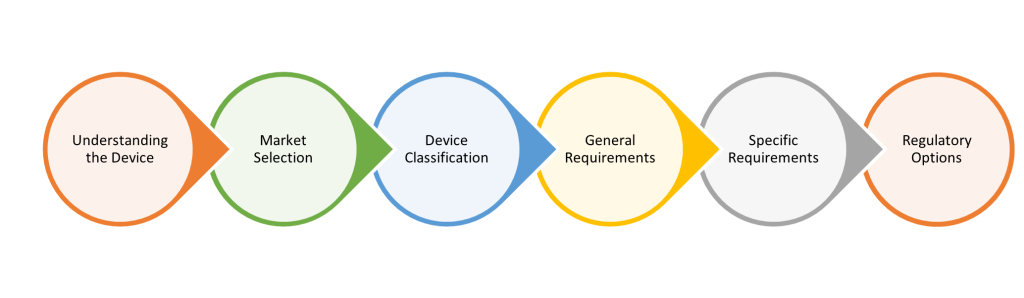
Figure 1 Considerations for building an effective regulatory strategy

Building a Scalable Regulatory Strategy

1. Early Engagement with Regulatory Authorities/Notified Bodies

Engaging with regulatory authorities and or Notified Bodies early in the development process is crucial. This helps in understanding specific requirements, obtaining guidance, and identifying potential challenges. Early engagement can also facilitate smoother approval processes and reduce time-to-market. For the US market, the FDA Q-Submission or Pre-Sub process, allows direct communication with the regulator to discuss your regulatory journey.

2. Risk-Based Classification

Understanding the risk classification of your IVD is fundamental. Different classes have varying requirements for clinical evidence, manufacturing practices, and post-market surveillance. Accurately classifying your IVD ensures that you meet the necessary regulatory standards without overburdening your resources.

In cases of a software as a medical device (SaMD) or IVD, you may have different components of the software which are IVDs, Medical Devices, or none of the above, so effective classification based on the intended purpose is key.

3. Robust Quality Management System (QMS)

Implementing a robust Quality Management System (QMS) is essential for ensuring compliance and scalability. A QMS should cover all aspects of the product lifecycle, from design and development to manufacturing and post-market activities. ISO 13485 is the internationally recognized standard for QMS in medical devices, including IVDs.

4. Clinical Evidence and Performance Evaluation

Generating clinical evidence and conducting performance evaluations are critical components of the regulatory strategy. This involves designing and executing clinical studies to demonstrate the safety and efficacy of the IVD. The data collected should be comprehensive and meet the requirements of the relevant regulatory jurisdictions.

5. Regulatory Submissions and Documentation

Preparing regulatory submissions and documentation is a meticulous process. This includes compiling technical documents, clinical study reports, risk management documents, and labeling information. Ensuring that all documentation is clear, organised, readily searchable and unambiguous is vital for successful approval.

6. Post-Market Surveillance and Vigilance

Post-market surveillance is an ongoing process that involves monitoring the performance of the IVD after it has been launched. This includes collecting and analyzing data on adverse events, product complaints, and other relevant information. Implementing a robust vigilance system helps in identifying and addressing issues promptly, ensuring continued compliance and patient safety.

Scaling from Startup to Enterprise

Building a scalable IVD regulatory strategy requires a comprehensive approach that encompasses early engagement with regulatory authorities, robust quality management systems, clinical evidence generation, meticulous documentation, and ongoing post-market surveillance.

By investing in scalable infrastructure, staying informed about regulatory changes, fostering cross-functional collaboration, and prioritizing training and development, companies can successfully transition from startup to enterprise while ensuring compliance and patient safety.

This journey is complex but achievable with the right strategy and commitment to excellence. As the IVD industry continues to evolve, staying proactive and adaptable will be key to long-term success.

Our approach

We believe that the regulatory strategy is the beginning of our customers journey in developing a rounded, and critical assessment of the regulatory landscape specific to the devices they are intending to place on the market. While in most case, the output in provided in a report, this should be considered a live document, with frequent review and update. This step is critical as the device performance, intended purpose or safety may change, and the regulatory environment may shift requiring a realignment of the strategy for regulatory success.

For further information contact [email protected]

Posted on

The Medical Devices (Amendment) (Great Britain) Regulations 2025: The status quo continues

The UK Medical Device Regulation (MDR) 2002 is undergoing a number of incremental changes (rather than publishing a full new regulation) to update how medical devices and in vitro diagnostic medical devices (IVDs) are regulated. These amendments are designed to ensure the continued availability and safety of medical devices in Great Britain while fostering innovation and market stability.

The latest SI relates to the continued use of existing elements of the regulation, which were due to stop being used this month (the revocation date).

These Regulations amend the Medical Devices Regulations 2002 (S.I. 2002/618) (“the 2002 Regulations”) by removing the 25th and 26th May 2025 revocation dates of the following pieces of assimilated EU law:

  • Commission Decision 2002/364 (on common technical specifications for in vitro medical devices),
  • Commission Regulation (EU) No 207/2012 (on electronic instructions for use of medical devices),
  • Regulation (EU) No 722/2012 (concerning particular requirements as regards the requirements laid down in Council Directives 90/385/EEC and 93/42/EEC with respect to active implantable medical devices and medical devices manufactured utilising tissues of animal origin) and
  • Regulation (EU) No 920/2013 (on the designation and the supervision of notified bodies under Council Directive 90/385/EEC on active implantable medical devices and Council Directive 93/42/EEC on medical devices).

The SI came into force on 24th May 2025 and apply to England, Wales, and Scotland.

Common Technical Specifications

The EU Common Technical Specifications (TS) for In Vitro Diagnostic Medical Devices (IVDs) provide detailed rules for certain high-risk IVDs, including those detecting or quantifying infectious agents like HIV, hepatitis, and SARS-CoV-2, as well as blood grouping tests. The specifications outline performance, safety, and quality requirements that these devices must meet to ensure they are safe and effective for use.

While the is additional burden required for Class D devices, the provision of common specifications allow manufacturers to greater understand the strategy for demonstrating safety and performance requirements, which can become challenging for lower risk class C devices.

eIFUs

Commission Regulation (EU) No 207/2012 focuses on the provision of electronic instructions for use of medical devices. It applies to manufacturers of IVDs and medical devices who opt to provide instructions for use in electronic form instead of paper if applicable. The manufacturers must meet specific conditions, including ensuring the electronic instructions are accessible and reliable, and have a clear indication that instructions are provided electronically must be included with the device. The electronic instructions must be easily accessible to users, including healthcare professionals and patients.

By removing these revocation dates, the amendments aim to allow the continuation of use of these regulations for the UK market access. This approach marks a common-sense approach in the short term, the alternative would have been to have UK specific requirements on the above, with possible divergence from the EU. The outcome of the continued use supports the aim to safeguard public health and ensure that the benefits of these regulations continue to outweigh any potential risks.

For further information on the transitional process for UK MDR, Common Technical Specifications, or the use of electronic IFUs, please contact [email protected]